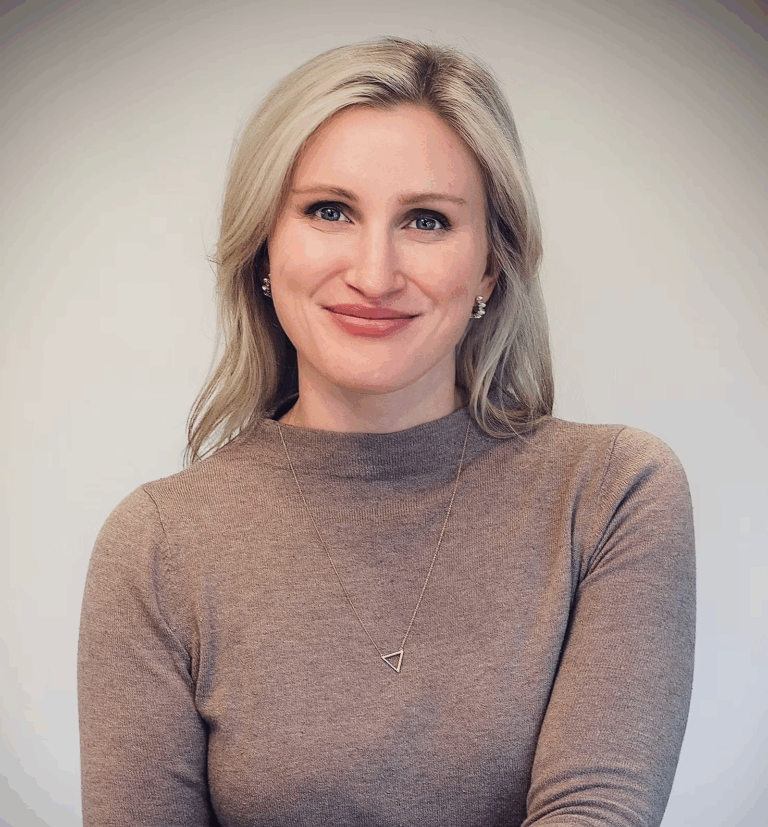
Guest Blog By Dr. Sarah Slater, DNP, APRN, CPNP-PC, CPHON
Balanced Kids – Concierge Pediatric Healthcare Services
Of my 15+ years working in pediatric healthcare, nearly the last three were spent serving as a pediatric oncology nurse practitioner. In that time, I cared for children and families facing the unimaginable challenges of childhood cancer. Every day, I witnessed the toll treatment took: nausea, pain, appetite loss, anxiety, and overall diminished quality of life. I knew cannabis could be an adjunctive therapy, and it wasn’t uncommon for families to ask me about it. But the truth is, I didn’t know anything about it. I was certifying patients for medical cannabis while knowing very little about how it worked in the body, what precautions should be taken, or how it might interact with other treatments. My colleagues rarely addressed these issues either. If they had more knowledge, they didn’t share it, and it wasn’t part of our practice culture.
The norm was simple: if parents wanted to pursue cannabis, we completed the certification and then stepped aside. Beyond that, families were left on their own. Early in my oncology career, as I began providing certifications, I couldn’t stop questioning why this treatment, unlike any other, was one we did not monitor, guide, or truly educate about. The standard answers were “we don’t have enough research” or “we don’t know the indications”. These became unacceptable to me.
This wasn’t neglect. It was the system. In Minnesota, as in many states, cannabis-certifying providers simply make the recommendation to the state program and then it disappears from the care plan. Cannabis became invisible: outside of treatment discussions, outside of monitoring, and outside of our responsibility. And yet, families weren’t asking out of politics or controversy. For them, cannabis was about comfort, safety, and dignity. I believed they deserved honest guidance. After all, cannabis has long been recognized for its therapeutic value. So I began searching for education, diving into the science of cannabis and the endocannabinoid system, and what I learned blew my mind. I became passionate, and I loved teaching colleagues and families about what I was learning. But my decision to educate families changed the course of my career.
It ultimately cost me my job.
Discovering the Endocannabinoid System
I began studying the endocannabinoid system (ECS), first by connecting with the American Cannabis Nurses Association (ACNA). Through ACNA, I discovered the Holistic Caring & The Green Nurse and their Cannabis Nurse Health Coach Certificate Program, led by co-founders Sherri and Elisabeth Mack. This gave me my first structured framework for understanding cannabis as medicine and how it could be integrated into whole-person care.
From there, I immersed myself in the work of pioneering experts like:
- Dr. Bonnie Goldstein, who demonstrates that cannabis can be safe and effective in pediatric patients with epilepsy, autism, and more. giving families real-world hope. She has even created a free cannabis education program specifically for licensed medical providers, helping bridge the massive gap in provider knowledge.
- Dr. Raphael Mechoulam, known as “The Father of Cannabinoid Research” who first identified THC and later the endocannabinoid anandamide, opening the door to understanding the ECS as a master regulator of health.
- Dr. Ethan Russo, who advanced the concept of clinical endocannabinoid deficiency, offering a scientific explanation for why cannabis can help such a wide range of conditions.
- Dr. Dustin Sulak, who emphasized patient-centered protocols and standards for cannabis and cannabinoid based therapies.
What I learned was clear:
- The Endocannabinoid System (ECS) regulates mood, sleep, appetite, immunity, pain, and more.
- ECS dysfunction underlies a wide range of conditions.
- With supervision from a cannabis specialist, cannabis is often far safer than many of the pharmaceuticals we prescribe every day.
From Education to Policy Gaps
As I deepened my understanding of the endocannabinoid system, I realized the lack of provider education wasn’t just a personal frustration, it’s a system-level problem. Families have been asking for guidance, and providers want to help, but we have no clear framework to operate within.
At my hospital, the existing cannabis policy had glaring gaps. It only addressed how cannabis should be controlled and implemented within the hospital walls. When it came to clinicians certified by the state to recommend cannabis, the policy simply pointed us back to the state guidelines. It offered no true internal protections or direction for how to counsel families, which left certifying providers like me vulnerable.
Recognizing this gap, I made it my goal to influence the creation of a dedicated cannabis policy, one that would support medical cannabis certifying providers, align with state law, and ensure families received safe, consistent, evidence-based care.
The Case That Changed Everything
One family I cared for had a very young child with a devastating diagnosis. They wanted to pursue every avenue: chemotherapy, nutrition, integrative care, and yes, cannabis. I did what I always do, I educated the family on all options. I explained the differences between the different cannabinoids particularly full-spectrum, broad-spectrum, and isolates. I provided recent research articles. I explained what was evidence-based and what was anecdotal. I discussed the entourage effect. I shared dosing guidelines and safety resources. I showed them what a high-quality Certificate of Analysis looked like, so they’d understand how to select safe products. I explained how different forms of cannabis would affect overall cost. I also connected them with hemp companies like Bloom Hemp CBD who offer compassionate discounts for children with cancer.
If I was at work, I checked in with the family to provide support and answer any new cannabis questions that may have arisen, even on days I wasn’t their rounding provider. Because in oncology, that’s what we do. We care for these families day after day, month after month, and consistency matters.
Unfortunately, after I stepped off service, another provider saw the educational handouts I had shared and was “concerned.” Rather than following hospital guidelines, as highlighted in our yearly e-learns that direct staff to first communicate directly with colleagues when concerns arise, they submitted a complaint directly to our risk and compliance team.
A few days later, I heard through word of mouth that our risk and compliance team was reviewing the concern. I immediately reached out myself, explaining the situation and highlighting the real issue: we had no policy to support cannabis-certifying providers. Without one, situations like this were bound to happen again, leaving families and providers unprotected. I proposed that we create a new policy that would have clear language to align with state law and better support our patients and providers (they never responded, nor did my supervisor who was included).
During this process, I also discovered that the hospital prohibited federally legal CBD products unless obtained from a state dispensary, despite the fact Minnesota’s dispensary options for CBD and other cannabinoids outside of THC are extremely poor in quality and scope. This restriction wasn’t even in our medical cannabis policy; it was buried in a single line of the “alternative supplement” policy, which few providers knew about because it was not cross-referenced.
Trying to resolve the conflict, I contacted our lead pharmacist to understand their legality concerns around CBD. It was agreed that I would provide CBD education to the pharmacy and risk teams during the upcoming policy review in three months, so that they could consider allowing commercial CBD use within the hospital.
But before that could happen, about a week after submitting a request for creation of a new policy, I was placed on unpaid leave, and ultimately terminated, for “policy violations” described as:
- Sharing (cannabis) education materials not previously approved by the organization.
- Checking in with my patients when I was not the assigned rounding provider of the day.
- Providing my phone number and work email address if families couldn’t get ahold of me.
- “Facilitating CBD.”
The difference between my actions and routine oncology practice wasn’t the science—it was the word cannabis. These “policy violations” were selectively enforced.
From Personal Story to Policy Failure
My story isn’t unique. Across the country, clinicians want to help families but are constrained by silence, fear, and policy voids.
As of June 2025, 40 U.S. states, the District of Columbia, and four U.S. territories have legalized medical cannabis (3). Many allow minors to access cannabis with parental consent and provider authorization. Yet pediatric institutions rarely offer clinical guidance. This lack of clarity has consequences:
- Providers fear licensure risk and ethical distress.
- Families are referred to dispensary pharmacists instead of their care teams.
- Care becomes fragmented and inconsistent.
- Opportunities for data collection and quality improvement are lost.
The result is a chilling effect: well-intentioned providers withhold ongoing support, and families, already vulnerable, are left to navigate cannabis use alone.
Why Robust Policies Matter
My termination highlights why robust institutional policies are essential. Clear guidelines would:
- Empower providers to act confidently within defined standards of care.
- Ensure safe, equitable, and consistent family support.
- Encourage interdisciplinary collaboration among nursing, pharmacy, ethics, and legal teams.
- Provide frameworks for informed consent and treatment monitoring.
- Open doors for research, data collection, and reduction of caregiver burden.
Professional bodies echo this call. The American Medical Association (AMA) affirms: “Our AMA believes that effective patient care requires the free and unfettered exchange of information on treatment alternatives and that discussion of these alternatives between physicians and patients should not subject either party to criminal sanctions.”(1) They further support: “Exemption from criminal prosecution, civil liability, or professional sanctioning, such as loss of licensure or credentialing, for health care practitioners who discuss treatment alternatives concerning marijuana or who prescribe, dispense, or administer marijuana in accordance with professional standards and state laws.”(1) The American Nurses Association (ANA) likewise advocates for provider protection, education, and the development of clinical guidelines to support safe patient care. (2)
A Call to Action
As clinicians, advocates, researchers, and families, we cannot continue waiting for top-down federal reform to create clarity around cannabis care. What’s needed is practical, adaptable guidance that empowers providers and supports patients where they are.
I deeply value the work of Holistic Caring & The Green Nurse team, who have built a framework of knowledge and resources to help bridge the gap between science and patient care. They opened the door for me, and countless other health professionals, coaches and nurses into the world of cannabis medicine with compassion, professionalism, and evidence-based expertise.
For me, this work is personal. I know what it feels like to be punished for educating. I know what it feels like to sit with families who are desperate for options, only to realize the system has failed them. That’s why I founded Balanced Kids, to give families education, balance, and choices, whether through cannabis, integrative strategies, or conventional medicine. Families deserve options, and providers deserve protection. I believe that together, we can create a healthcare landscape where both are possible.

Check out The Green Nurse Podcast Living Your Best Life with Sara Slater HERE

References
- American Medical Association. (n.d.). Policy D-95.969: Cannabis legalization for medicinal use. PolicyFinder.
https://policysearch.ama-assn.org/policyfinder/detail/D-95.969?uri=/AMADoc/directives.x ml-D-95.969.xml - American Nurses Association. (2021). Therapeutic use of marijuana and related cannabinoids: Statement of ANA position. Silver Spring, MD: Author.
https://www.nursingworld.org/globalassets/practiceandpolicy/nursing-excellence/ana-position-statements/therapeutic-use-of-marijuana-and-related-cannabinoids-position-statem ent-final-2021.pdf - National Academies of Sciences, Engineering, and Medicine. (2017). The health effects of cannabis and cannabinoids: The current state of evidence and recommendations for research. The National Academies Press. https://doi.org/10.17226/24625
- National Conference of State Legislatures. (2024, June 27). State medical cannabis laws. https://www.ncsl.org/health/state-medical-cannabis-laws